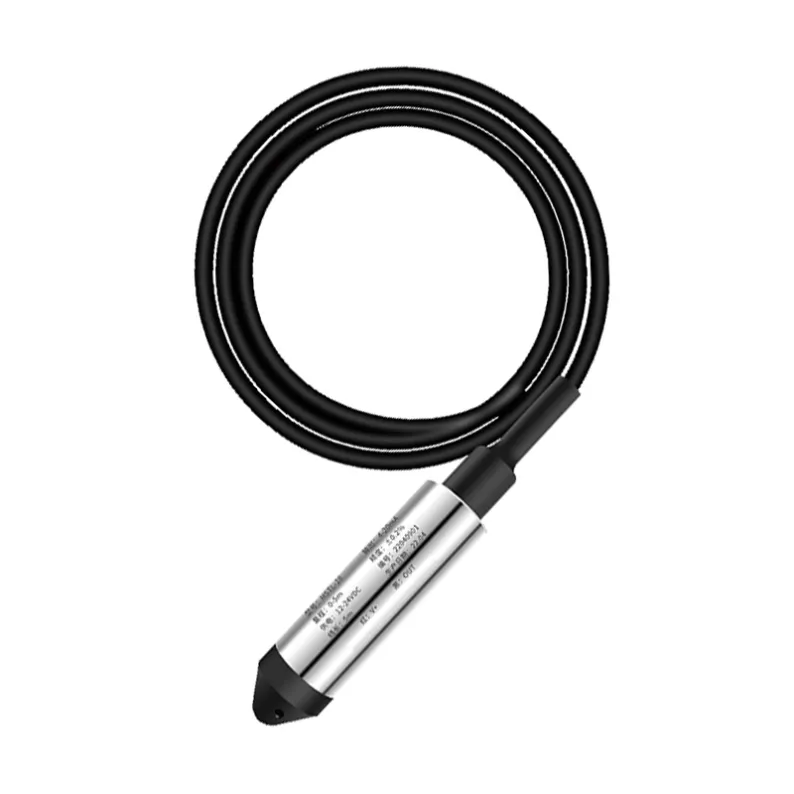
HRT-L280 Standard Submersible Level Transmitter
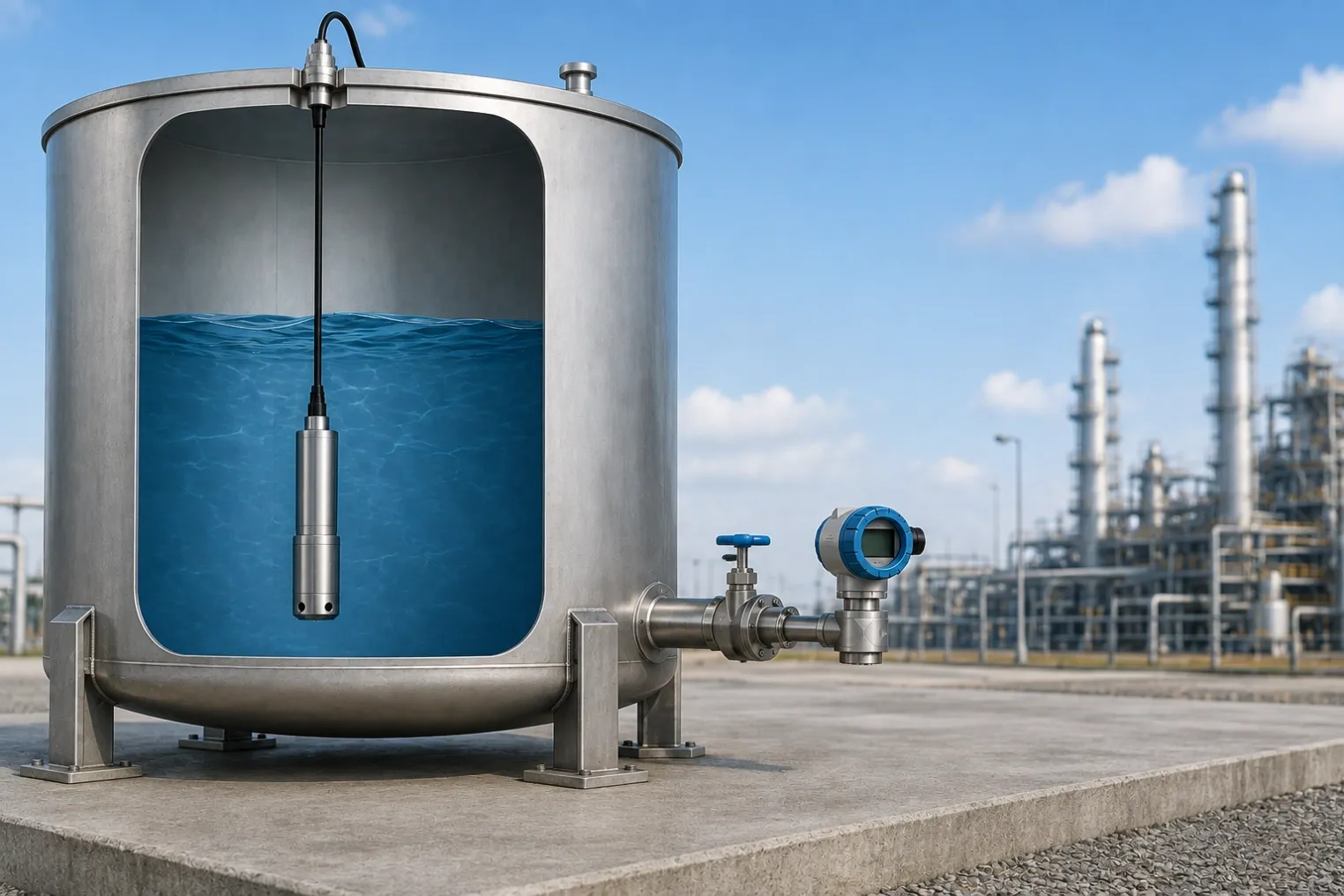
Submersible hydrostatic level transmitter for wells, tanks or reservoirs when the liquid and installation are compatible. Confirm range, density, cable, venting, wetted construction and output.
MEASUREMENT PORTFOLIO
Honest technical specs and stable performance for pressure, level, viscosity, and temp monitoring.

Submersible hydrostatic level transmitter for wells, tanks or reservoirs when the liquid and installation are compatible. Confirm range, density, cable, venting, wetted construction and output.

Submersible hydrostatic level transmitter for continuous liquid-level measurement in tanks, wells, reservoirs and water applications, with analog or RS485 output options.

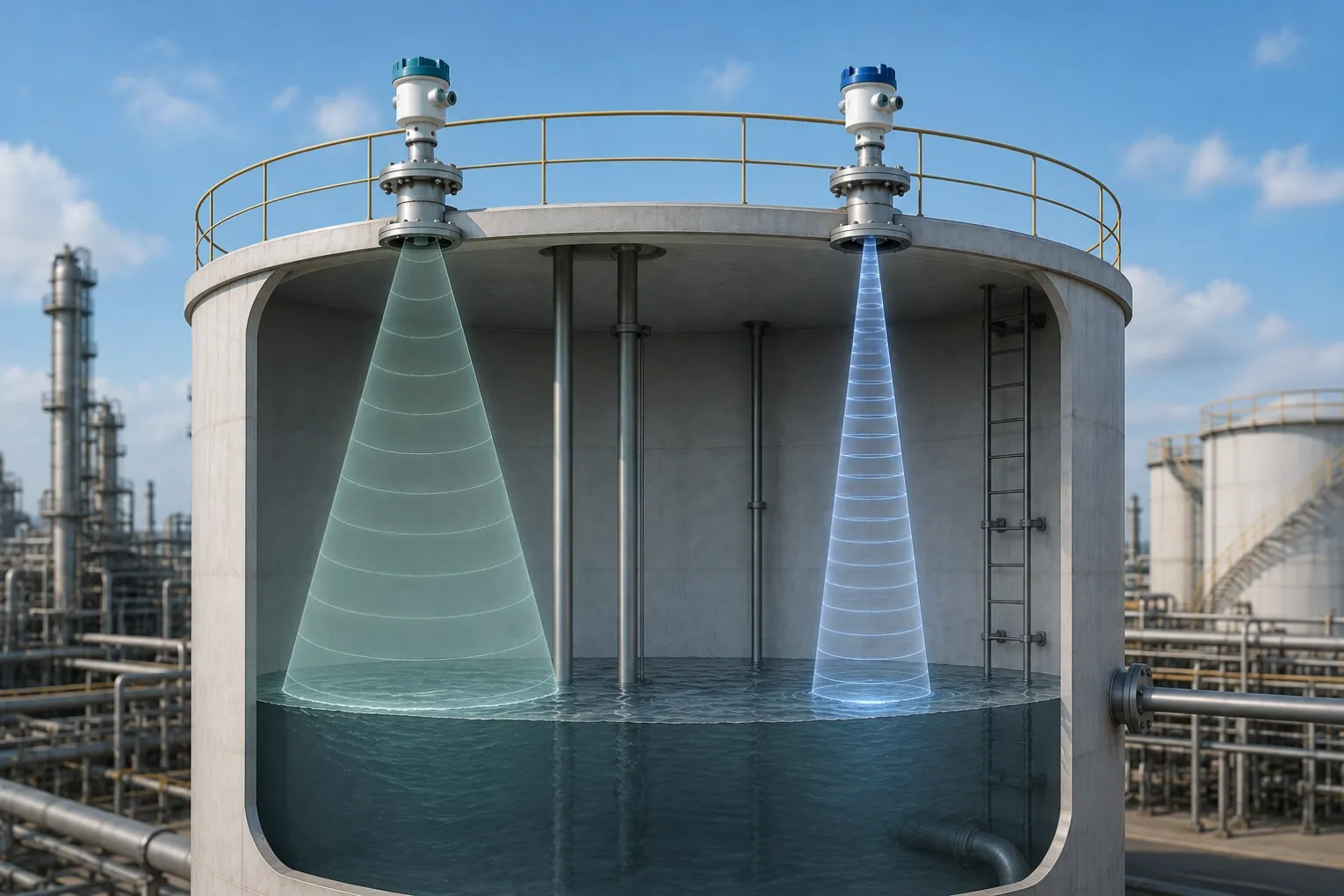
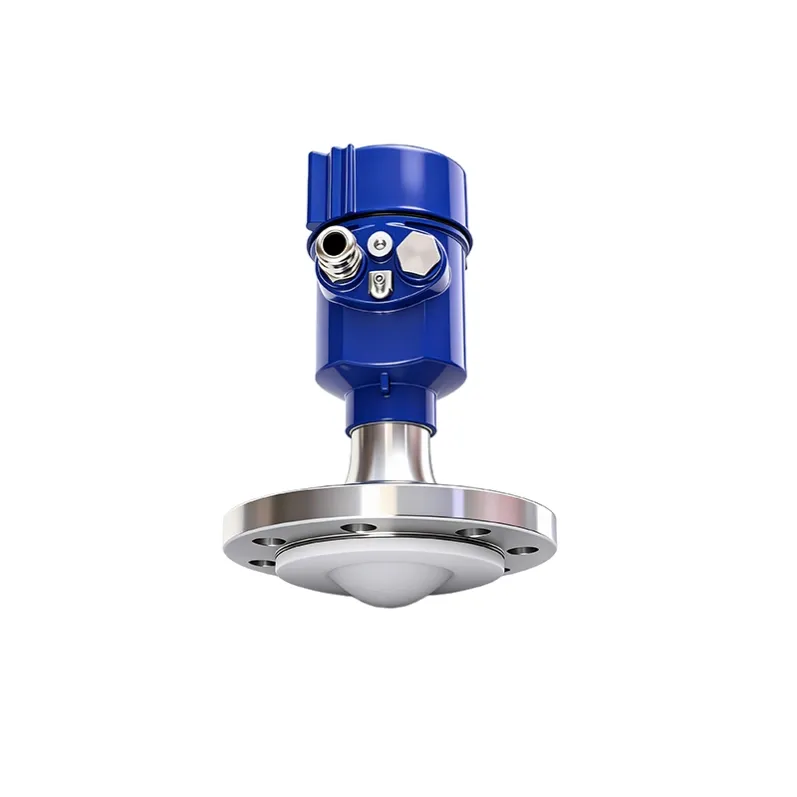
80 GHz FMCW radar level transmitter for non-contact measurement of liquids and bulk solids in tanks, vessels and silos.

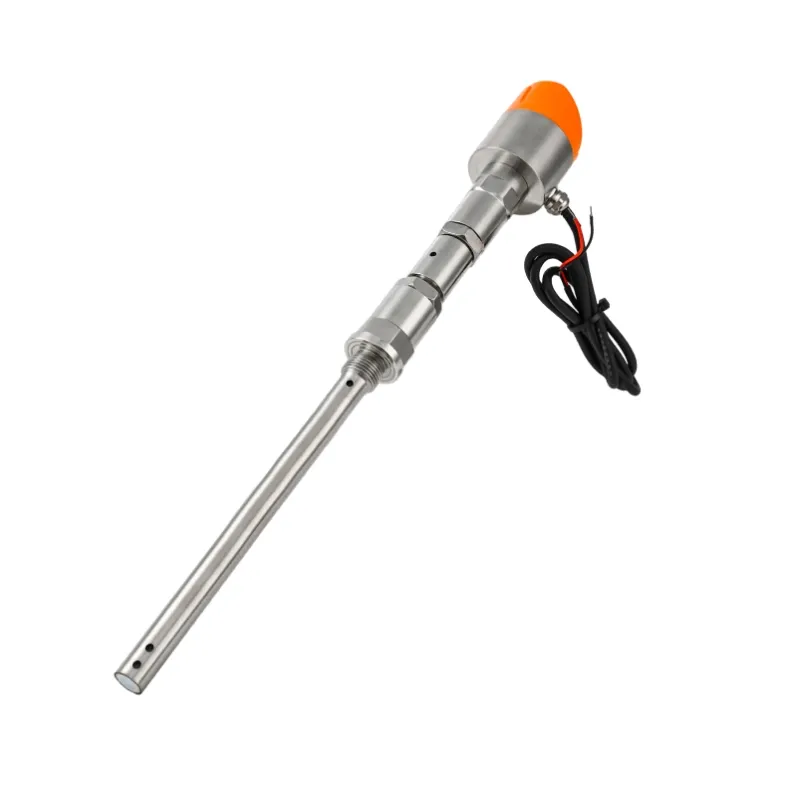
Capacitance level transmitter for continuous liquid, interface or material-level measurement, with 4–20 mA, switching or RS485 output options.

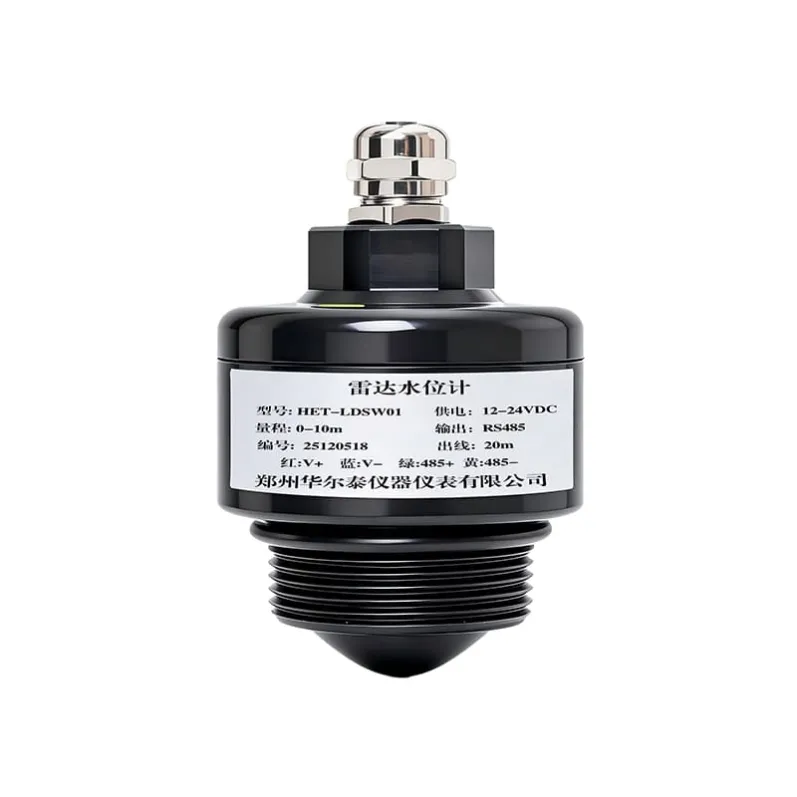
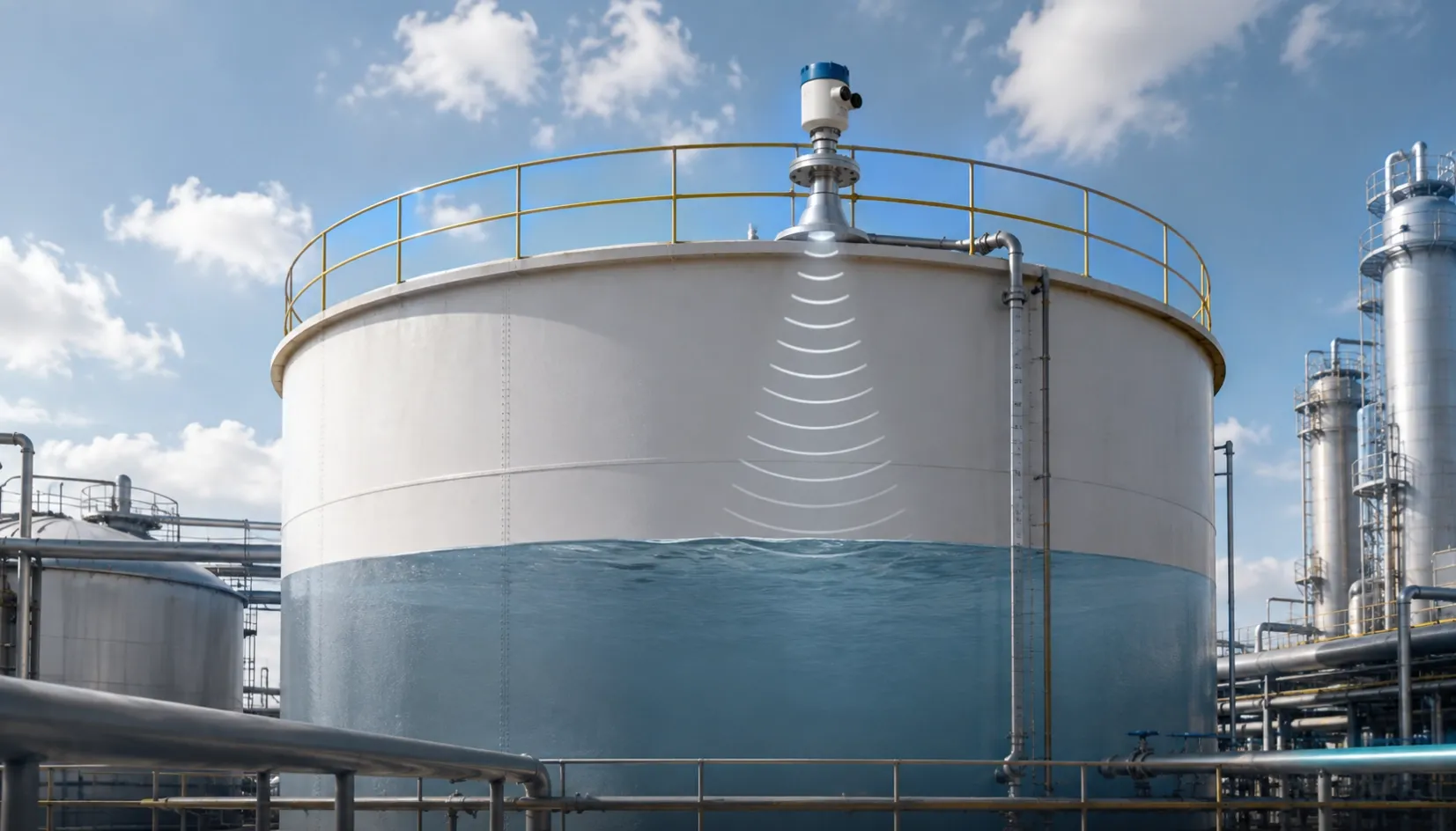
80 GHz FMCW radar water-level instrument family for reservoirs, waterways or drainage monitoring where the site and mounting are suitable. Wireless and power options must be confirmed by configuration.

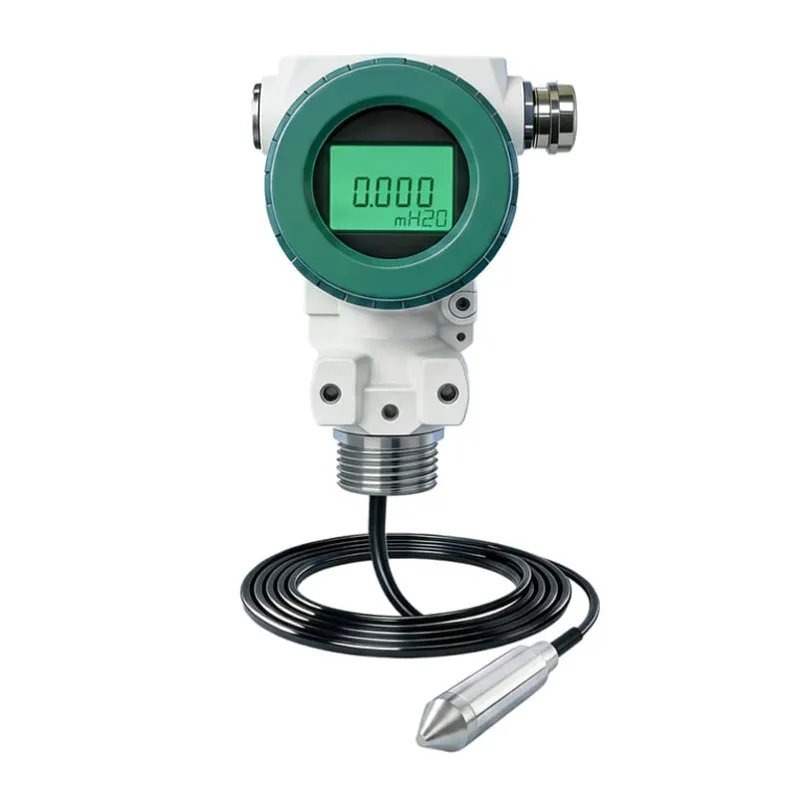
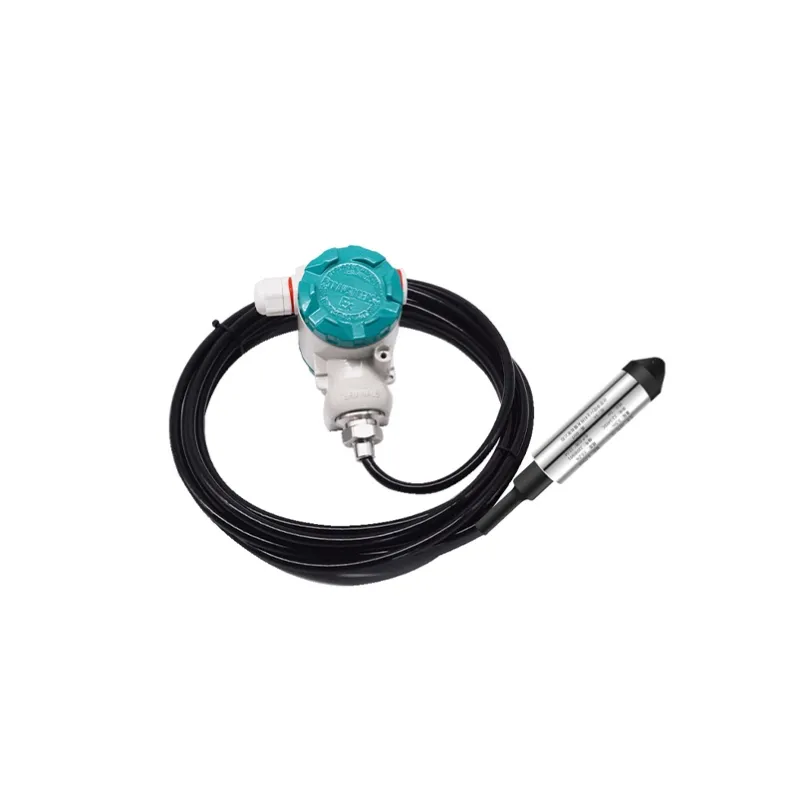
Submersible hydrostatic level-transmitter configuration with an available local-display interface. Confirm liquid, density, depth, cable, venting, display, output and enclosure requirements.

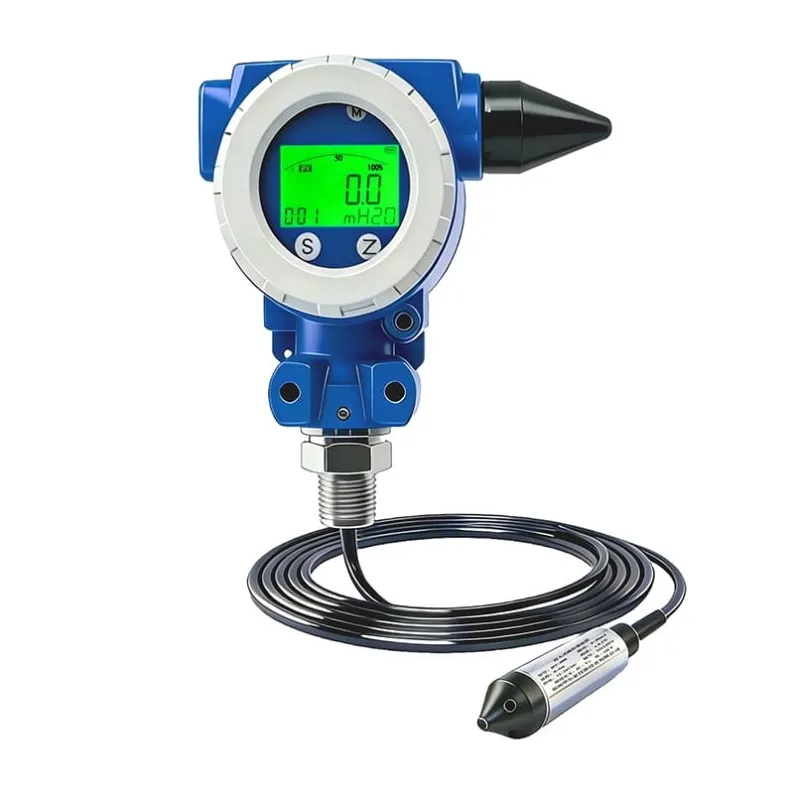
Hydrostatic level-monitoring configuration with available remote-communication options. Confirm liquid density, depth, cable/pressure interface, power, communication, enclosure and maintenance access.

Compact 80 GHz FMCW radar level-transmitter family for non-contact measurement. Vessel geometry, medium, nozzle, obstructions, range and antenna/process connection require application review.
Recommended articles

Learn how hydrostatic level measurement converts liquid-column pressure into level, how installation and density affect the result, and what to verify before selection.

A conditional comparison of 80 GHz FMCW radar and ultrasonic level measurement, including operating principles, installation factors and selection questions.

Learn how level measurement supports storage, transfer and process control, how measurement principles differ, and what to confirm before selecting a level instrument.